





If you’ve been in the solar game long enough, you know the industry loves trends. One day it’s all about bifacial panels, the next it’s EV chargers, then suddenly everyone’s screaming “PERMITTING REFORM!” like it’s the next Marvel movie.
But the real blockbuster coming to theaters in 2026?
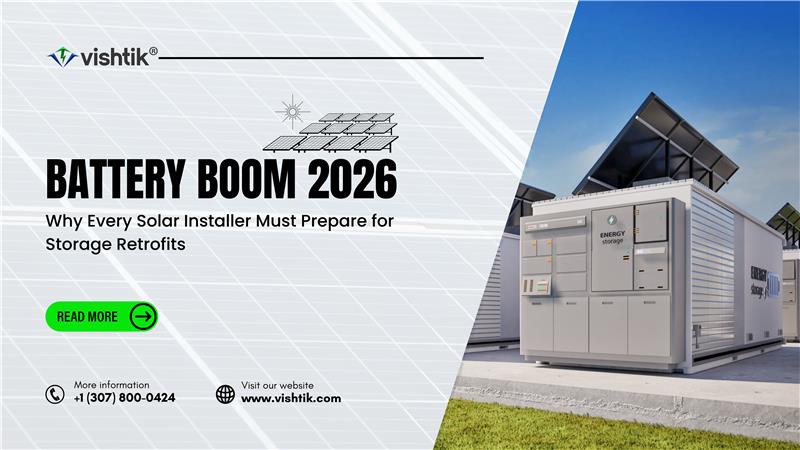
The Battery Boom.
Yup — energy storage retrofits are about to take over, whether installers feel ready or not.
Let’s unpack why this tsunami is building… and why installers might want to grab a surfboard instead of pretending the waves aren’t getting bigger.
Homeowners Are Realizing Solar Without Storage Is Like a Car Without a Trunk
Sure, the car runs. But where do you put the groceries? Or in our case, the extra kilowatt-hours?
Millions of U.S. homeowners who installed solar between 2018–2023 are now realizing:
- Their utility still charges annoying peak rates
- They still lose power during outages
- They have enough roof space but not enough backup power
In short: they want more control, not more excuses.
And now that battery prices are dropping faster than a new iPhone’s trade-in value… the retrofit calls have already begun.
Incentives Are Too Good to Ignore (Even for People Who Hate Paperwork)
Between the 30% Federal ITC, potential state incentives, and new utility programs pushing for load shifting, 2026 is shaping up to be the “Black Friday Sale” of battery adoption.
Homeowners love discounts.
Installers love repeat customers.
Both love when the government pays for part of the upgrade.
It’s a match made in solar heaven.
Grid Stress Is Getting… Well, Stressful
Summer heat waves?
Winter storms?
Random squirrels shorting transformers like they’re auditioning for Jackass?
Utilities know their grid is stretched. That’s why more programs are rewarding homeowners for adding storage — and installers will be the ones cashing in on retrofit jobs.
Because when the grid throws a tantrum, batteries step in like,
“Relax buddy, we got this.”
Retrofits Aren’t the Same as New Installs — They’re Easier and More Profitable
Think about it:
- The site already has solar.
- The homeowner already understands kilowatts.
- The permit process is (usually) lighter.
- The customer acquisition cost is practically zero.
It’s the solar installer version of a “side quest” — quicker, rewarding, and you already know the map.
Battery Brands Are Multiplying Like Rabbits
Three years ago, installers had 3–4 viable battery options.
In 2026?
Try 15–20.
From big-name Tesla and Enphase to new players with sleek designs and “smart features,” installers will have more choices — and more competition.
That means only the pros who understand storage design, backup sizing, and load management will stand out.
Prepare now, profit later.
The Homeowners of 2026 Want More Than Just Backup, They Want “Energy Freedom”
Ask any homeowner why they want a battery, and the benefits list is getting longer:
- “I want backup for outages.”
- “I want to beat TOU rates.”
- “I want to run my AC during peak hours without donating a kidney to the utility.”
- “I want freedom from the grid… or at least a healthy breakup.”
Storage isn’t a luxury anymore. It’s becoming part of the American home energy identity — right up there with Wi-Fi and arguing about thermostat settings.
So, What Should Installers Do Now?
Here’s your game plan if you want to ride the 2026 battery wave instead of getting wiped out by it:
Train your team on retrofit storage design: Panel compatibility, inverter pairing, backup loads… avoid the “call tech support three times a day” lifestyle.
Build a retrofit-specific sales pitch: Remember: these customers already trust you. Show them how storage completes their system.
Start offering storage audits: Just like a car service check, but for energy.
Partner with a reliable engineering team (yes, Vishtik can help): Retrofits need accurate single-lines, load calcs, battery integration diagrams, and rock-solid design packages.
Final Word
The Battery Boom of 2026 isn’t coming, it’s already warming up in the driveway.
Installers who prepare now will turn existing customers into new revenue.
Installers who wait will be watching competitors take those jobs.
And homeowners? They’ll be more empowered, more resilient, and way less angry when the grid gives up at 7 PM on a Tuesday.
So gear up because storage retrofits aren’t just the next big thing.
They’re the next big opportunity.